
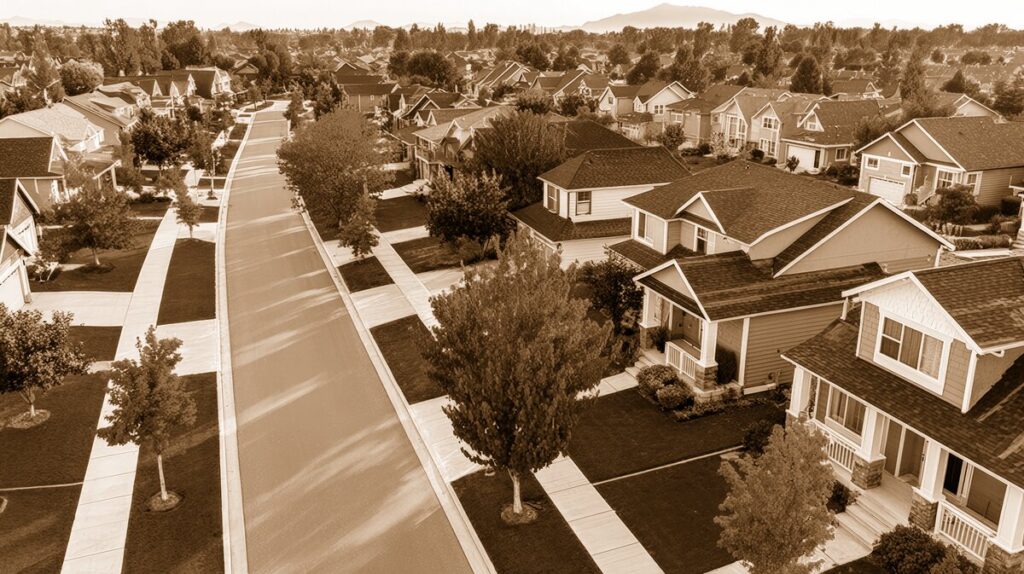
Portsmouth, New Hampshire, is a city woven with stories. Among its many neighborhoods, Lafayette Park stands out as a place where history echoes in tidy streets, graceful homes, and beloved green spaces. As a longtime resident and local writer, I’m eager to share the rich heritage of Lafayette Park—a neighborhood that invites you in like a friendly front porch and reveals its best secrets to those who linger.
Origins of Lafayette Park
Nestled to the southwest of downtown Portsmouth, Lafayette Park’s beginnings trace back to the early 20th century, when growth in the city started to push beyond its bustling harbor and historic market square. The area’s well-known namesake, the small triangular Lafayette Park, anchors the intersection of Lafayette Road (U.S. Route 1), South Street, and Middle Road. Once farmland and open fields on the edge of the vibrant port town, the neighborhood began to emerge as streetcar lines made these outskirts accessible and new housing met the needs of the growing middle class.
How the Neighborhood Got Its Name
Lafayette Park honors the Marquis de Lafayette, the French aristocrat and Revolutionary War hero who visited Portsmouth in 1825 as part of his celebrated tour of the United States. Lafayette’s visit was a source of civic pride—celebrated with parades, speeches, and the naming of public spaces. In the 1920s, as the neighborhood blossomed with residential construction, city planners and residents chose “Lafayette Park” to acknowledge this legacy. A stone marker in the small park today commemorates this connection, linking the neighborhood to both American independence and the ideals Lafayette represented.
Key Historical Milestones
- Streetcar Suburb Era: The extension of Portsmouth’s streetcar lines down Lafayette Road in the early 1900s catalyzed the development of single-family homes, many of which still grace Thornton, Whipple, and Foch Streets. The area’s design features generous front yards, leafy sidewalks, and an inviting, neighborly character.
- The Roaring Twenties Building Boom: The 1920s and '30s saw the addition of elegant Colonial Revivals, Cape Cods, and bungalows. These homes, often with original woodwork and porches, are cherished by current residents.
- World War II and Navy Influence: Portsmouth’s proximity to the Portsmouth Naval Shipyard brought waves of workers and military families in the 1940s, and Lafayette Park saw infill housing, along with modest apartment buildings rising alongside older single-family homes.
- Education and Community: Since mid-century, the neighborhood’s schools—Dondero Elementary on Van Buren Avenue and nearby Portsmouth High School—have served as community anchors, hosting events, fairs, and voting booths that define local citizenship.
- Modern Renewal: In the 1990s and 2000s, residents worked with the city to preserve Lafayette Park’s tree canopy and pedestrian-friendly feel, investing in traffic slowing measures along busy Lafayette Road and revitalizing the park itself with new plantings and playground equipment.
Notable Landmarks and Institutions
- Lafayette Park: The neighborhood’s namesake is both a park and a gathering ground, small in size but big in community spirit. Its benches host morning coffee chats, kids’ laughter, and the occasional summer concert.
- Whipple School (Now Residences): This handsome brick building on Whipple Street was an elementary school for generations. Though converted to residences in the 1980s, its clock tower and architectural details are a daily reminder of the neighborhood’s commitment to learning.
- Portsmouth High School: Sitting on Andrew Jarvis Drive just south of the neighborhood proper, the high school’s athletic fields and auditorium are touchstones for families attending everything from track meets to theater performances.
- Historic Churches: The Park once bordered several small churches, including the enduring Community Church on South Street, welcoming all with its open doors and its prominent role in charitable events.
Evolution Over the Decades
Lafayette Park’s charm has always stemmed from its balance: a peaceful residential retreat with quick access to Portsmouth’s lively downtown. As decades have passed, the neighborhood has seen waves of families grow up, downsize, and pass along their homes to new generations. Grand old maples and oaks line the streets, watched over by a parade of 20th-century American architecture.
What’s changed? In recent years:
- *Young Professionals and Newcomers:* A surge of new residents brings energy and diversity, drawn by the neighborhood’s walkability and friendly vibe.
- *Community Gardens and Pollinator Swales:* Environmentally conscious neighbors have transformed shared spaces, planting native flowers and veggies. The tiny park bursts with color, supporting bees and butterflies.
- *Preservation Efforts:* Homeowners work to retain original features—porch railings, hardwood floors, stained glass—ensuring the past is visible even as kitchens and baths modernize.
- *Annual Traditions:* Porch concerts, ice cream socials, and Front Yard Fridays—where neighbors gather for block parties—keep Lafayette Park feeling like a small town tucked inside the city.
What Makes Lafayette Park Special
To walk through Lafayette Park today is to experience a living tapestry of Portsmouth history. The laughter of children playing in the shade of century-old trees echoes the sounds of past generations. The neighborhood’s broad streets and tidy homes celebrate American architectural traditions, while its parks and schools foster community spirit.
What truly sets this neighborhood apart is the people—families who greet each other by name, volunteers tending garden plots in Lafayette Park, and devoted stewards of both history and hospitality. Whether you’re taking a sunset stroll down Whipple Street, attending a springtime student art show at Dondero Elementary, or simply enjoying the peace beneath the maples, you’re part of something enduring and deeply welcoming.
In Lafayette Park, the story of Portsmouth is not just preserved—it continues to grow, block by block, neighbor by neighbor.